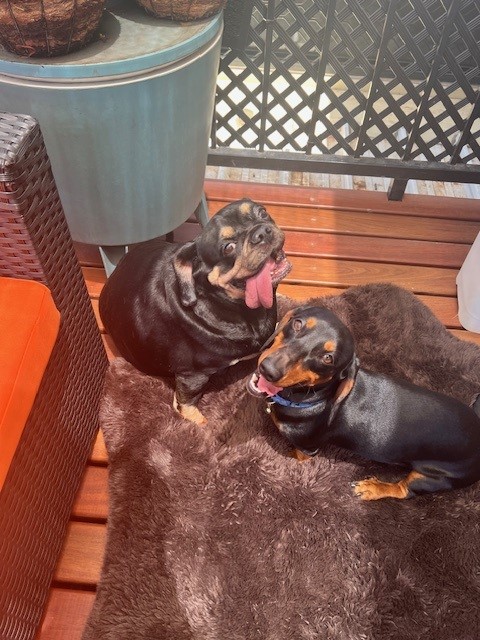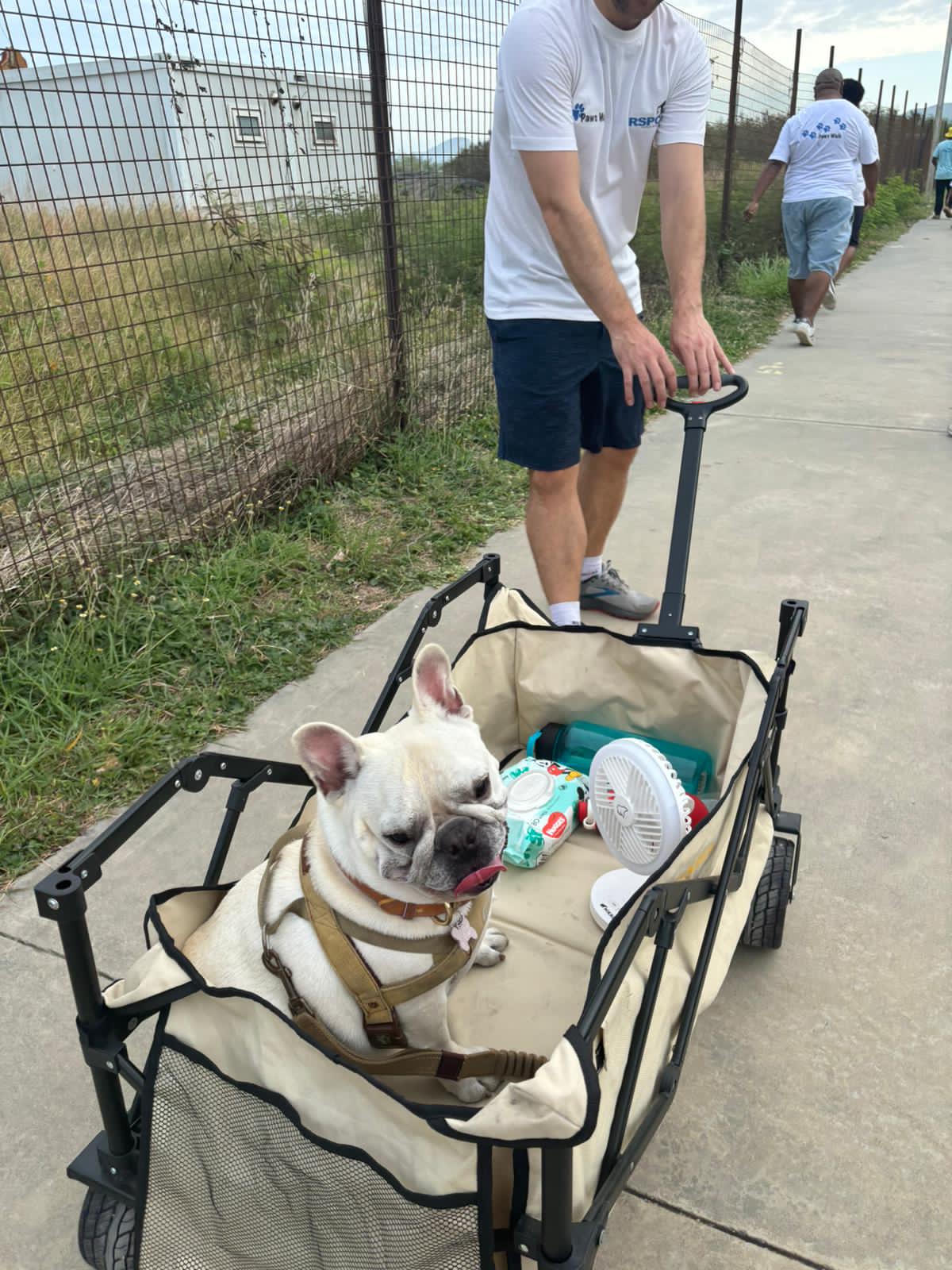
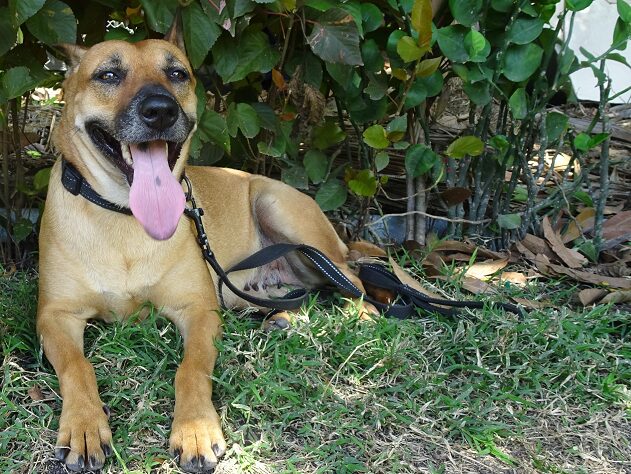
Dogs cannot look after themselves. When you accept the responsibility of owning a dog you have to look after them and give them all they need ‐ for the whole of their life. Dogs need;
- water
- food
- a bed, in a safe place, and out of the sun and rain
- daily exercise and training grooming
- veterinary attention, and
- your time
Feeding your dog
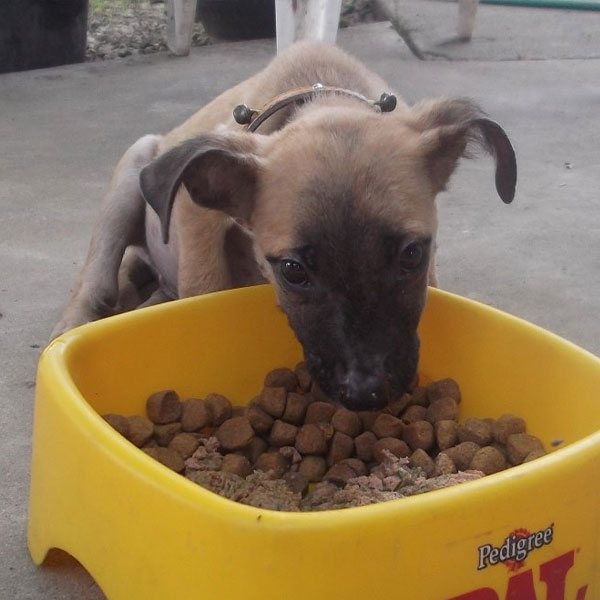
Feed your dog a balanced diet of 1/3 cereal like rice, 1/3 meat or fish, and 1/3 vegetables. You can use commercial dog food, canned dog meat, or homemade meals. Avoid cooked bones because they can splinter and make your dog sick, but raw meaty bones are good for dental health. A general guide is 1 cup of food per 5kg of body weight, with more for active dogs. Check your dog’s body condition — you should be able to feel ribs and hips without seeing them. Always provide clean water. Table scraps are okay in moderation, and it’s normal for dogs to eat fruit, vegetables, and grass.
Shelter and bedding
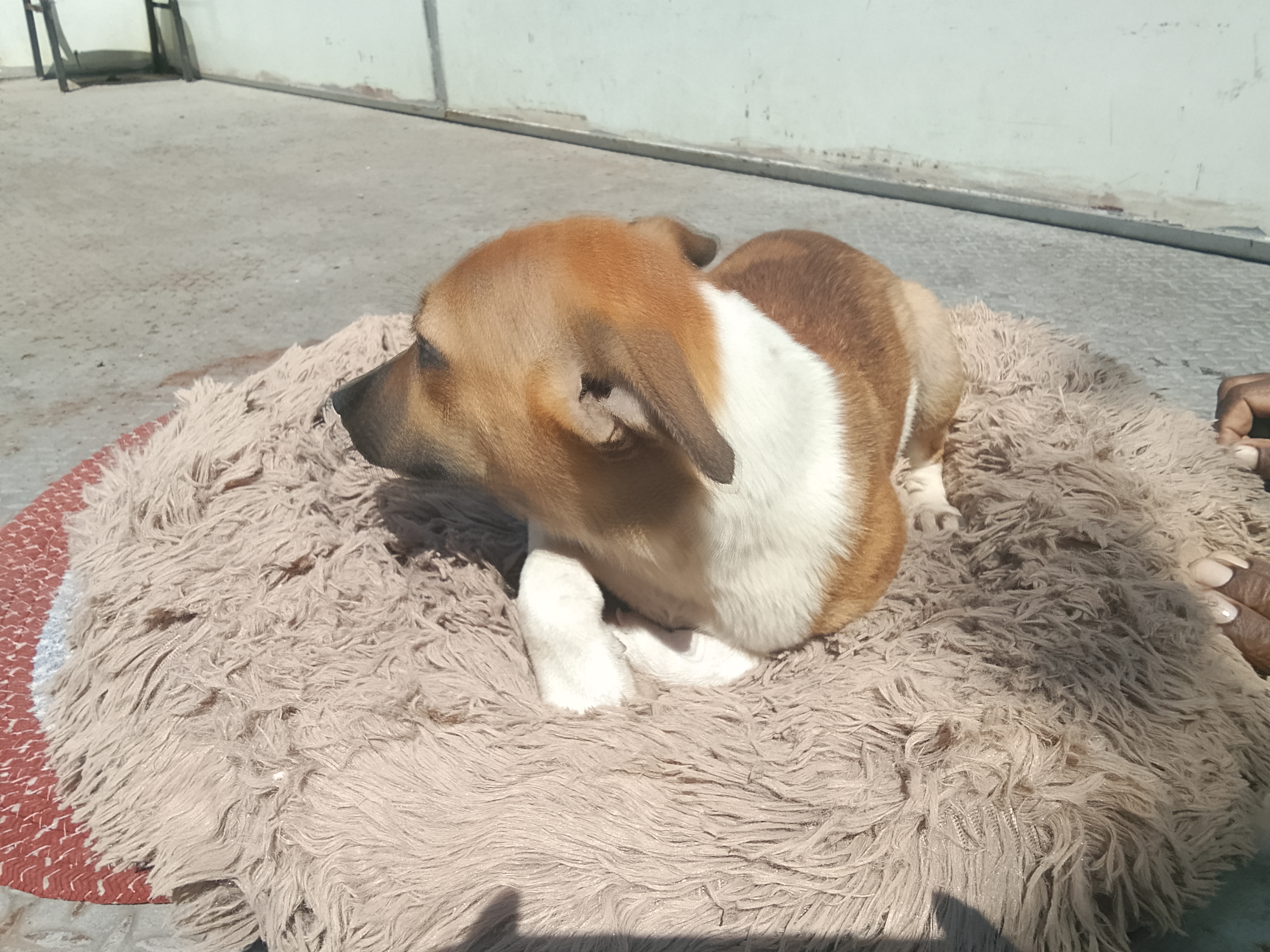
Your dog should have a clean comfortable bed. It should be soft (to prevent calluses forming); a towel, blanket or even a pile of newspapers can be used, and it should be in a sheltered place, off the ground, protected from the sun, wind and rain. Your dog’s bed should also be kept clean and free from fleas and ticks.
Your yard should be fenced and secure so that not only is your dog kept in, but other dogs are kept out.
Exercise and training
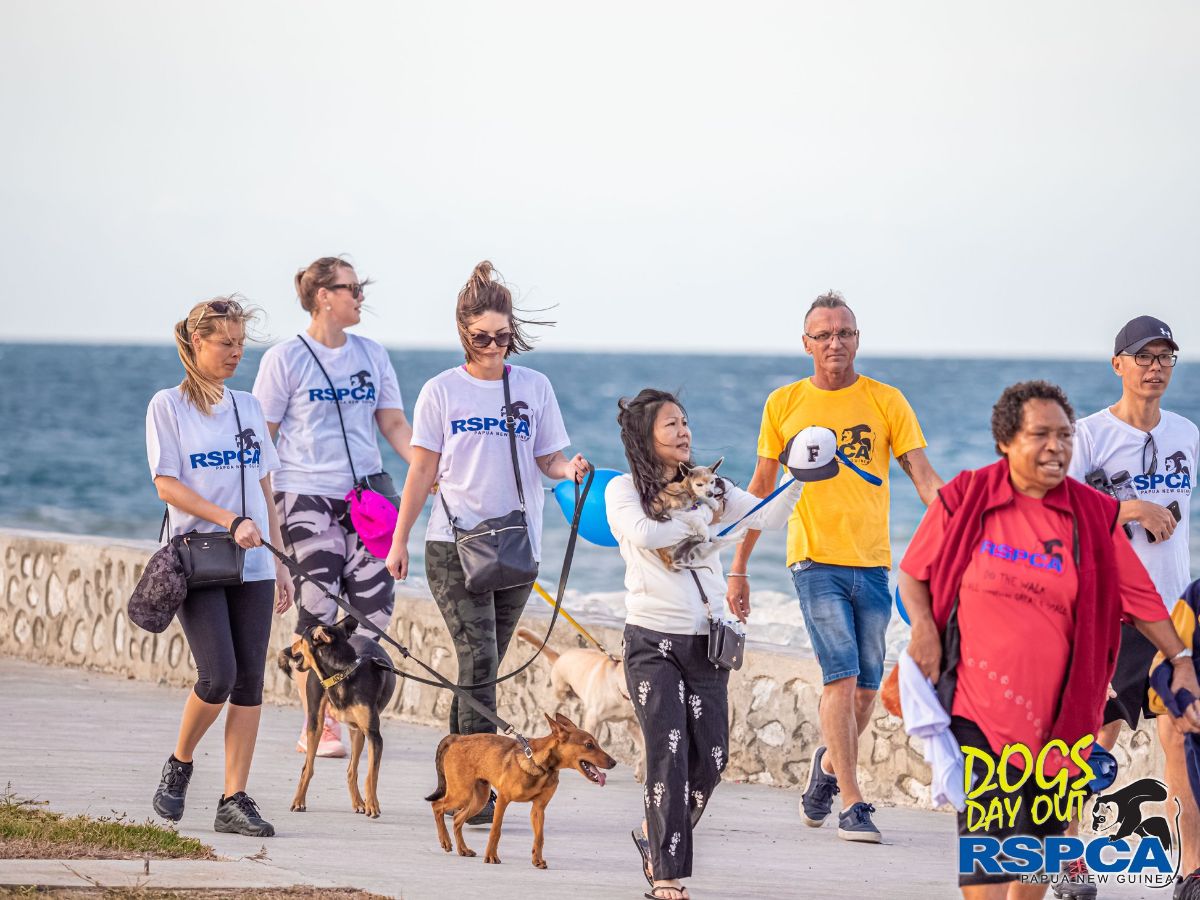
All dogs need daily exercise, a walk or a run with you is ideal, and a daily period of play, such as fetching a ball or stick is also good exercise.
If you require further information, a leaflet about training is available.
Grooming
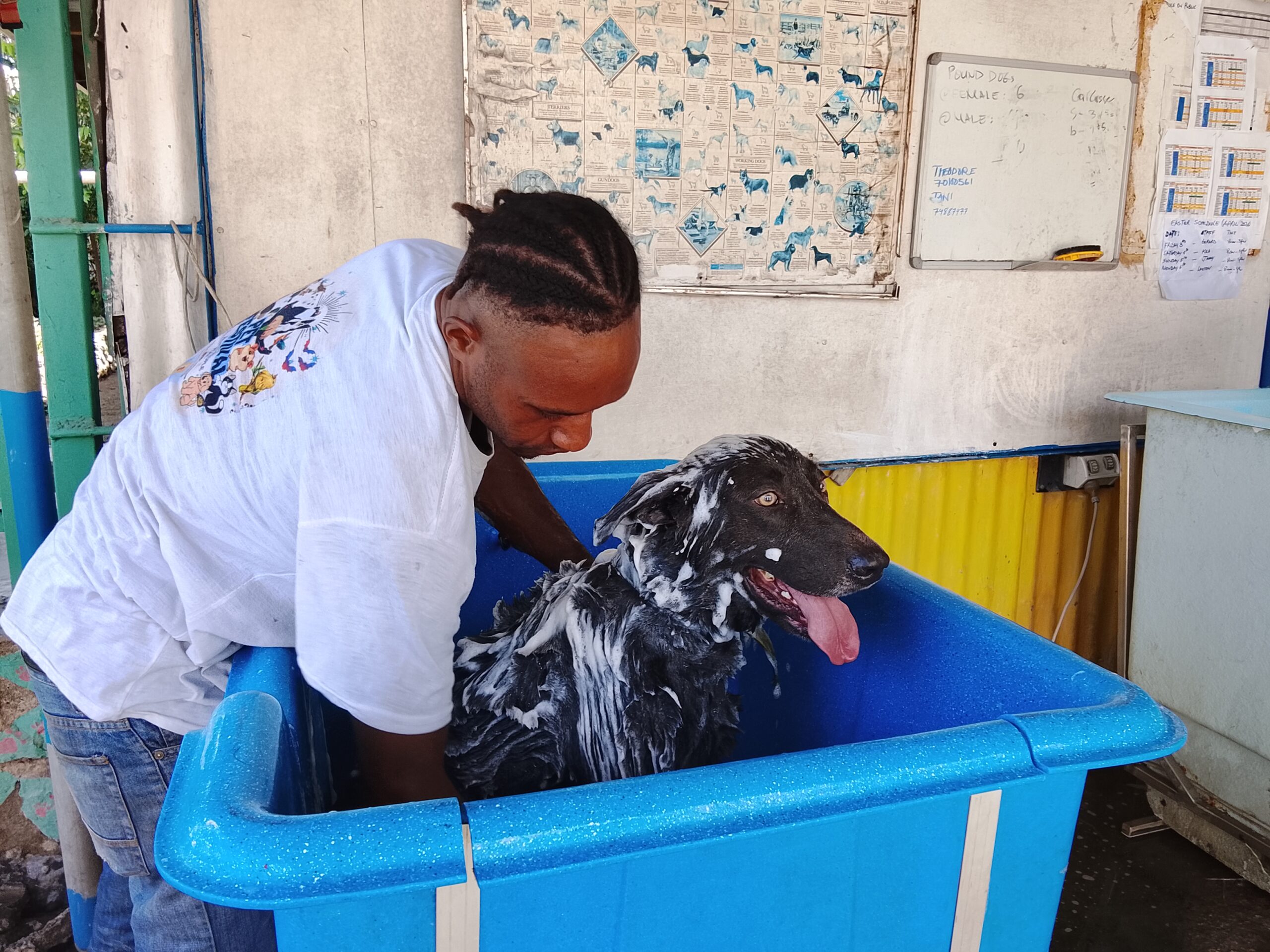
Dogs need to be kept clean and have dead hair brushed or combed from their coats. Longhaired dogs, and dogs with thick coats need daily combing, or to be clipped. All dogs need to be washed when they are dirty, and to have all external parasites (fleas, ticks and mites) removed. These parasites make your dog itchy; cause skin disease, hair to fallout and can make him weak and sick. There are a number of products available to remove and prevent parasites, and a ‘hydro‐bath’ for dogs is available at the RSPCAPNG clinic, for a small charge.
Health
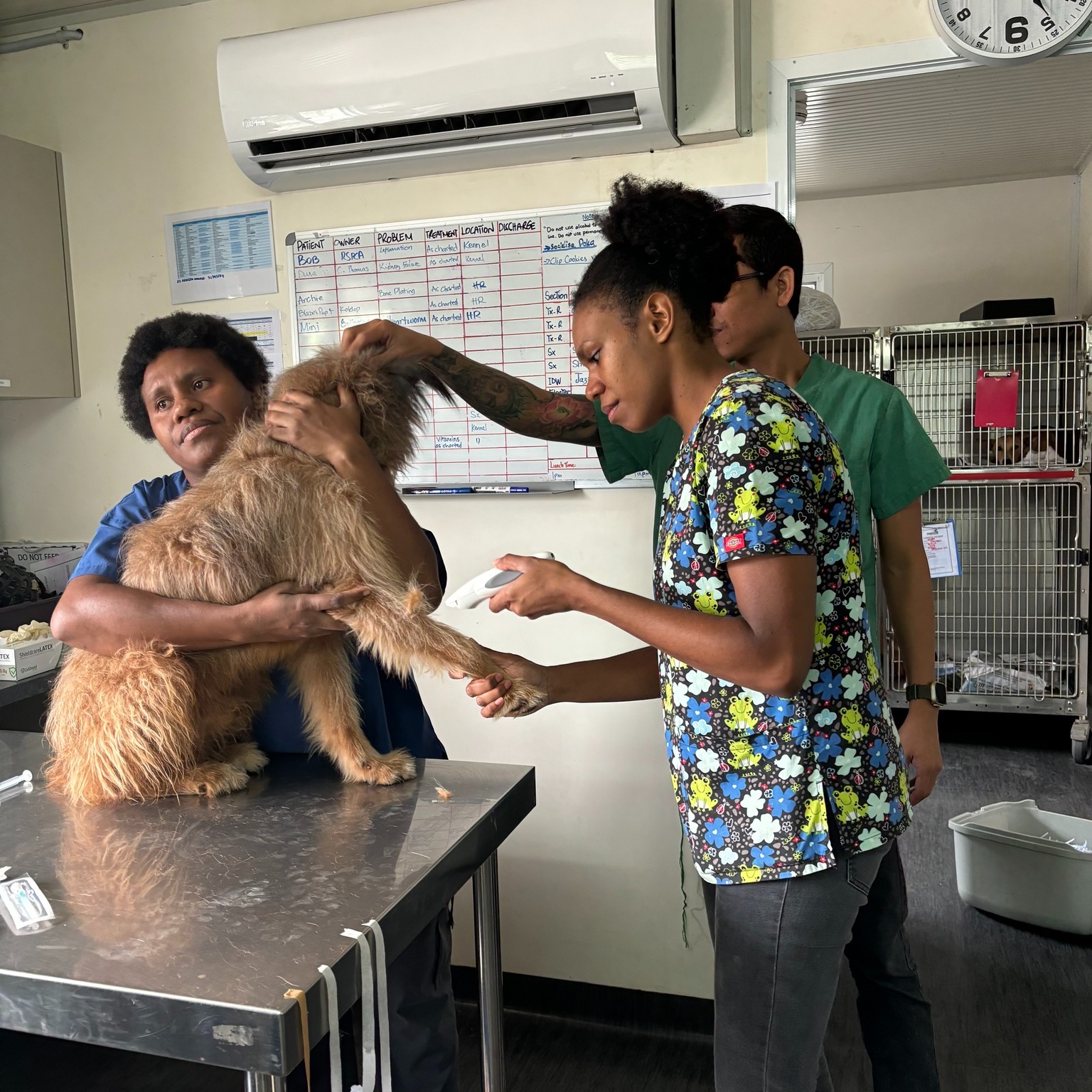
Vaccinate dogs against distemper, hepatitis, and parvovirus, with annual boosters. Start heartworm prevention at 8 weeks. Deworm every 3 months. Control fleas, ticks, and mites. Ask RSPCA PNG Vet Clinic for the best parasite program. RSPCA PNG recommends de-sexing all companion dogs. It helps them live longer, stay healthier, and reduces stray puppies. De-sexed dogs still guard and recover easily.If your dog is sick or injured, see a vet immediately.When traveling, arrange a responsible carer or board your dog at the RSPCA PNG Vet Clinic.
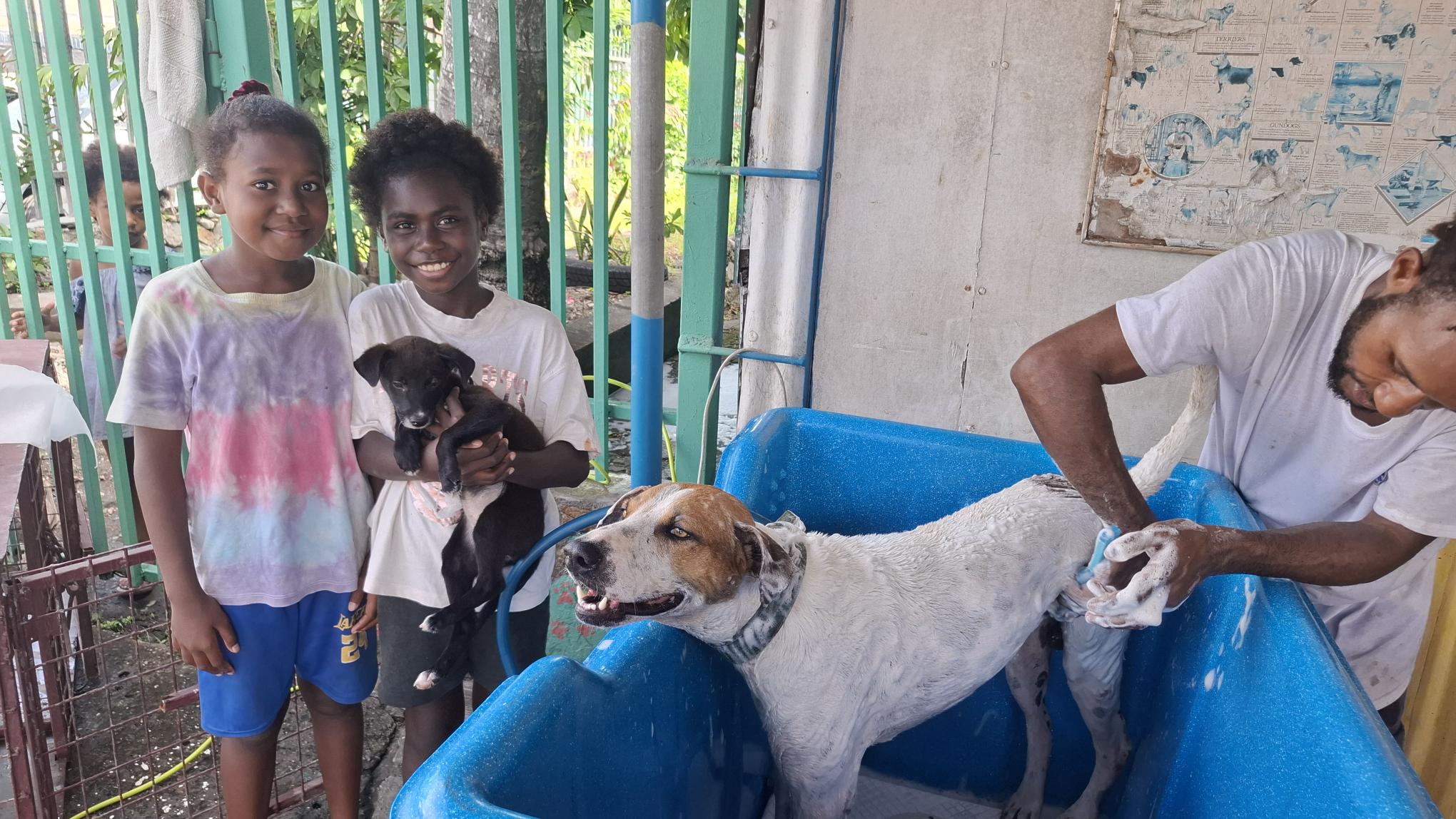
Current opinion is that children who are taught to care for animals will develop into adults who care for people. More importantly, children who show violence towards animals are likely to grow into violent adults, so by teaching your children to care for animals, you will be helping them to develop into responsible and caring adults.
Pet ownership also benefits people who have stress at work or school because interacting with an affectionate family pet reduces the heart rate and relieves stress. In addition, in many countries animals are taken to visit people in hospital because these visits are seen to speed up the recovery process.
So look after your pet and your pet will look after you.
The RSPCAPNG Shop stocks a full range of animal grooming and health care products and staff will be pleased to advise you on the best product for your pet. The RSPCAPNG believes that all animals have the right to live their lives with:
- freedom from hunger or thirst
- freedom from excess heat or cold
- freedom from disease
- freedom from pain and suffering
- freedom to move and behave normally