

It is easy to find and adopt a puppy; perhaps too easy. Far too many puppies are abandoned, or ignored, when they grow into dogs. So, before you adopt a puppy think about what a puppy needs and remember that very soon your cute puppy will grow into a dog who will live for 10 years or more, and who will need your love and attention for the whole of its life.
A young pup needs:
- many small feeds
- a safe and comfortable place to sleep
- a fenced yard and a weatherproof shelter
- your time for play and training
- regular washing and grooming
- veterinary attention
Choosing the right dog
After you have decided you can give a puppy all they need, you have to choose what sort of dog you want.
Do you want a big dog? Big dogs need more food, exercise and training than most little dogs. Big dog’s cost more.
Do you want a purebred dog? Or are you happy to have a PNG special? Many pure-bred dogs have special needs, and will cost you more time as well as money.
Do you want a dog with a long coat? These dogs can look beautiful, but they need a lot of grooming.
Do you want a dog (male) or a bitch (female)? A bitch will make a more loving family pet, but she will produce puppies twice a year unless she is de‐sexed.
The RSPCAPNG recommends that all dogs kept as pets or companions should be de‐sexed. De‐sexed dogs make better pets that will still protect you and your family, they live longer and have fewer disease problems, and they are less likely to fight with other dogs, AND they don’t add more strays and unwanted dogs to our streets.
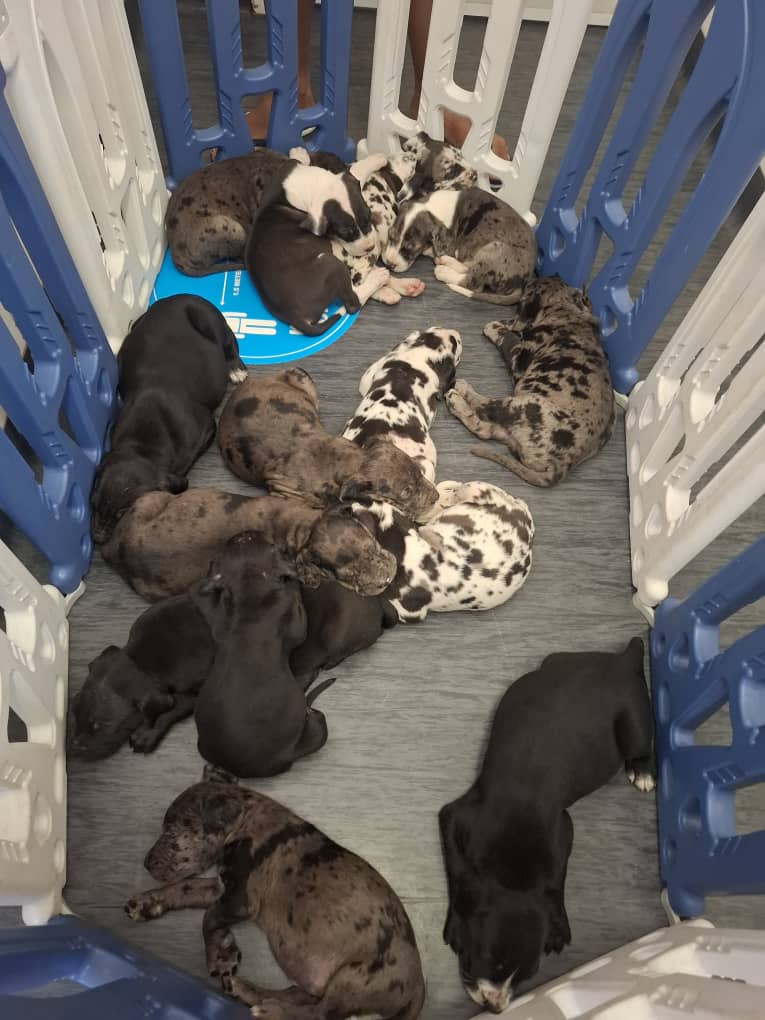

Taking your puppy home
Before taking your puppy home make sure that your yard is fenced, and that you have a soft bed, food and bowls ready for them. As soon as you get home show them its bed and where their water bowl is, then let them explore their new home.
Take them to the place you want them to use as a toilet. Talk to them, and pet them to comfort them.
Most puppies use the toilet on arrival in a new home.
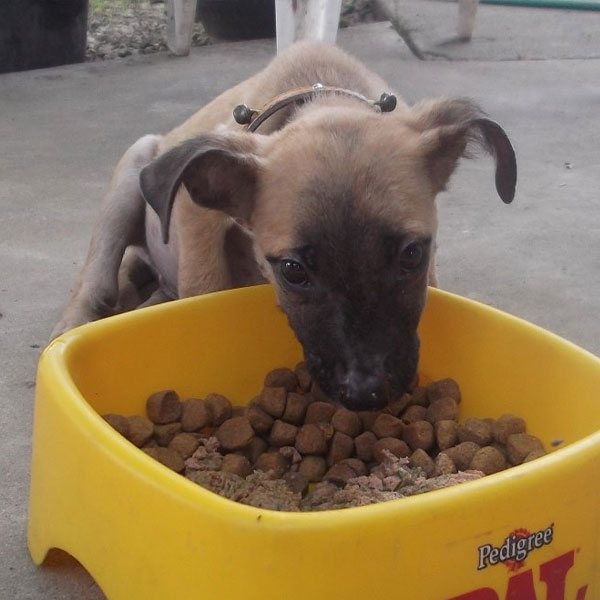
Feeding your Puppy
Keep a bowl of clean, fresh water available for your puppy at all times.
Feeding schedule
0–3 months: 4 meals per day
3–5 months: 3 meals per day
Feed at the same times each day to help with routine and digestion.
Puppies grow best on a balanced diet of cereals, meat or fish, and vegetables. Prepare a stew with equal parts: 1/3 well-cooked rice or other cereal 1/3 meat or fish 1/3 vegetables and fruit Cut food into small, puppy-sized pieces.
Table scraps can be included as part of a meal, but adjust the portions so the meal still follows the 1/3 cereal, 1/3 protein, 1/3 produce balance. Milk and calcium
Cow’s milk can provide vitamins and calcium, but not all puppies tolerate it well. Offer a small amount and stop if you notice an upset stomach or loose stools.
For large-breed puppies who need extra calcium, you can occasionally add crushed eggshells to their food. Check with your vet before adding supplements.
Provide appropriate chew items like raw bones, hide chews, or safe puppy toys. Chewing eases teething discomfort and helps keep teeth and gums clean.
Important safety note: Never give cooked bones. Cooked bones can splinter and cause serious internal injury.

Training your puppy
After every meal and sleep take your puppy to their toilet area and stay with them until they relieve themselves. Pet them and talk to them so they don’t think they are being punished. Waiting may take some time, but if you stay with them until they have passed both water and a motion, they will soon learn to always use their toilet area. Never scold or punish your puppy if they use the wrong place, simply clean up the mess without speaking to them, then show him the right place and pet them.
Training your puppy should start from eight weeks old. Puppies can learn to come, to sit, to walk on a lead, and that ‘no’ means ‘stop what you are doing’. Always reward your puppy when they obey you. Keep their training sessions short, three minutes at a time is enough.
See our leaflet on ‘Training’ for further information.
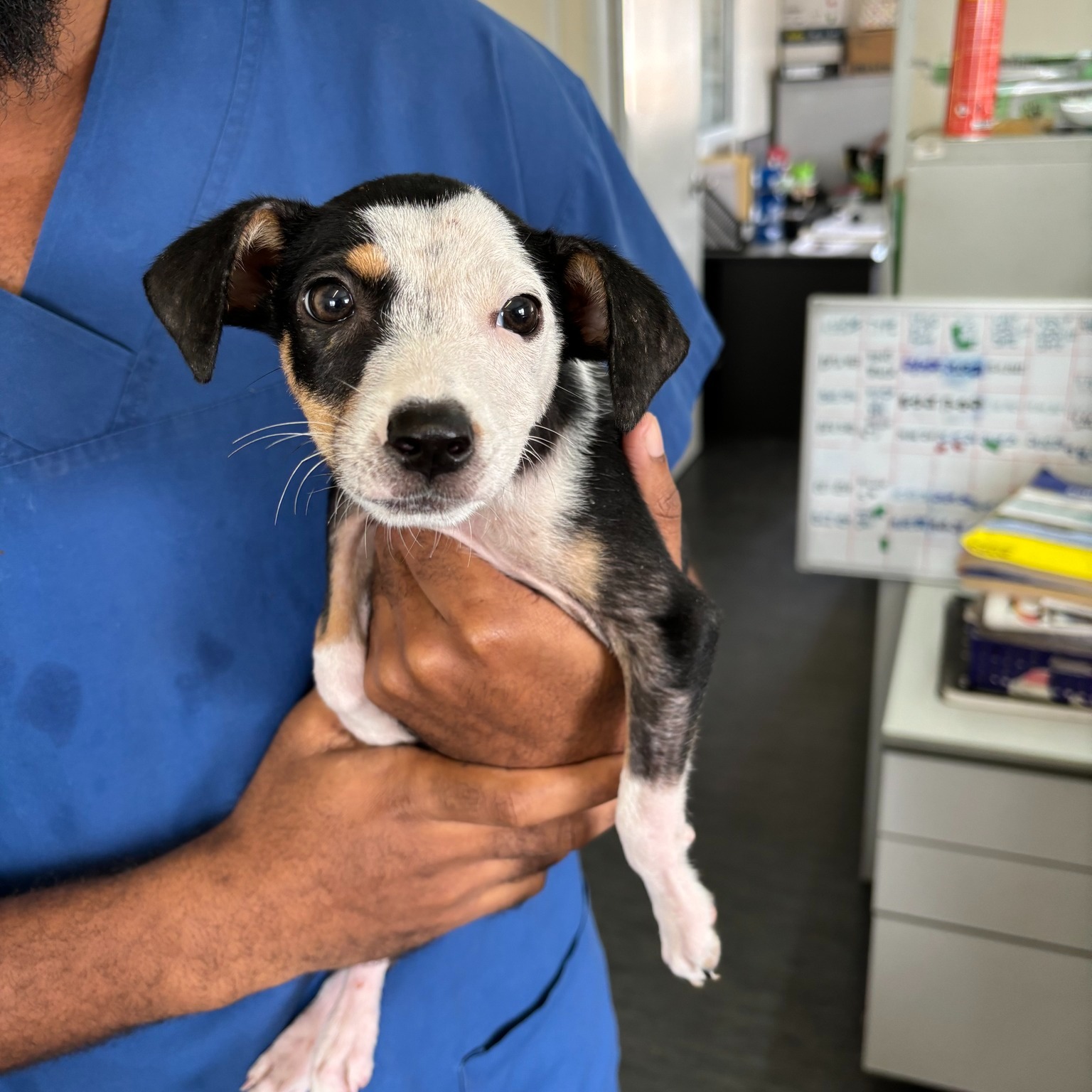
Health Tip: Puppy care check list
Vaccinations Protect against Distemper, Hepatitis, and Parvo.
Shots at 8 and 14 weeks, then annual boosters.
Worming: Deworm every 4 weeks until 6 months old, then every 3 months.
Heartworm: Start prevention at 8 weeks with optional tablets, syrup, or annual injection.
Fleas/Ticks/Mites: Use parasite control products. Some cover multiple pests.
Boarding & Care: If traveling, arrange a responsible caregiver or use RSPCAPNG Vet Clinic boarding. Always ensure secure care and vet authorization.
Ask RSPCAPNG Veterinary Clinic to create the best health plan for your puppy.
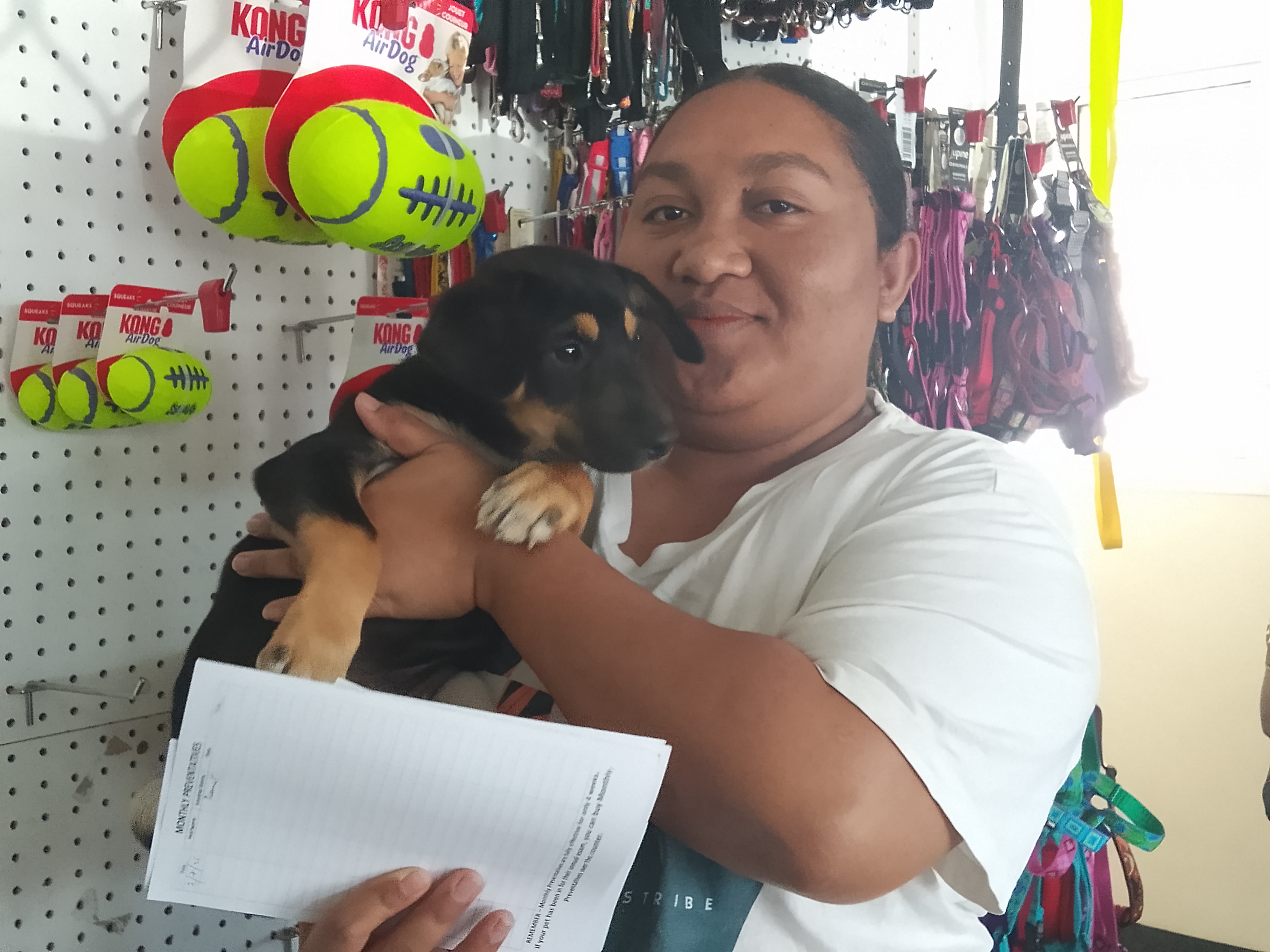
The RSPCAPNG Shop stocks a full range of animal grooming and health care products and staff will be pleased to advise you on the best product for your pet.
The RSPCAPNG believes that all animals have the right to live their lives with:
- freedom from hunger or thirst
- freedom from excess heat or cold
- freedom from disease
- freedom from pain and suffering
- freedom to move and behave normally

If you have any queries on the health or care of your pet please visit the RSPCAPNG Vet Clinic during surgery hours:
Monday – Friday: 9:00am – 4pm
Saturday: 9am – 1pm
Sundays and public holidays: Closed